
The "Good Girl" Mask: Why Women with ADHD Go Unnoticed


When most people picture ADHD, they imagine a hyperactive young boy who can’t sit still in class, constantly interrupts, and leaves a trail of physical chaos wherever he goes.
But if that is the only definition of ADHD, where does that leave the countless girls who grew up quiet, compliant, and seemingly successful, only to hit an invisible wall of utter burnout in adulthood?
Many women only realize in their late twenties, thirties, or even later that they haven’t been failing at being an adult—they simply have an ADHD brain.
50 Open Chrome Tabs in a Quiet Mind

Socialization often demands that girls be organized, gentle, and attentive. Because of this, ADHD in females rarely presents as external hyperactivity; instead, it turns inward.
On the outside, we look like we have it all together. We sit quietly at our desks and nod at meetings. But internally, our minds are running fifty browser tabs at once:
- Tab 1: The speaker’s voice (fading in and out like underwater static).
- Tab 2: Wondering why that sparrow outside is hopping in circles.
- Tab 3: Replaying an awkward sentence we said at a dinner party three days ago.
- Tab 4: A random pop song playing on an endless loop in the background.
Because we don't cause disruptions in classrooms or offices, our wandering minds get labeled as "daydreaming," and our forgotten details are brushed off as being "a bit scatterbrained." We learn early on to smile and pretend we are entirely present.
The Exhausting Cost of "Masking"
To meet the expectations of being a competent woman, many high-functioning ADHD females develop an elaborate defense mechanism known as masking:
- Using anxiety as fuel: Setting ten alarms and checking our bags five times because we are terrified of being perceived as careless.
- Overcompensating for time blindness: Leaving an hour early and sitting nervously in a parking lot just to avoid being late.
- People-pleasing: Maintaining 120% engagement in social settings out of fear that a momentary slip-up will expose our internal chaos.
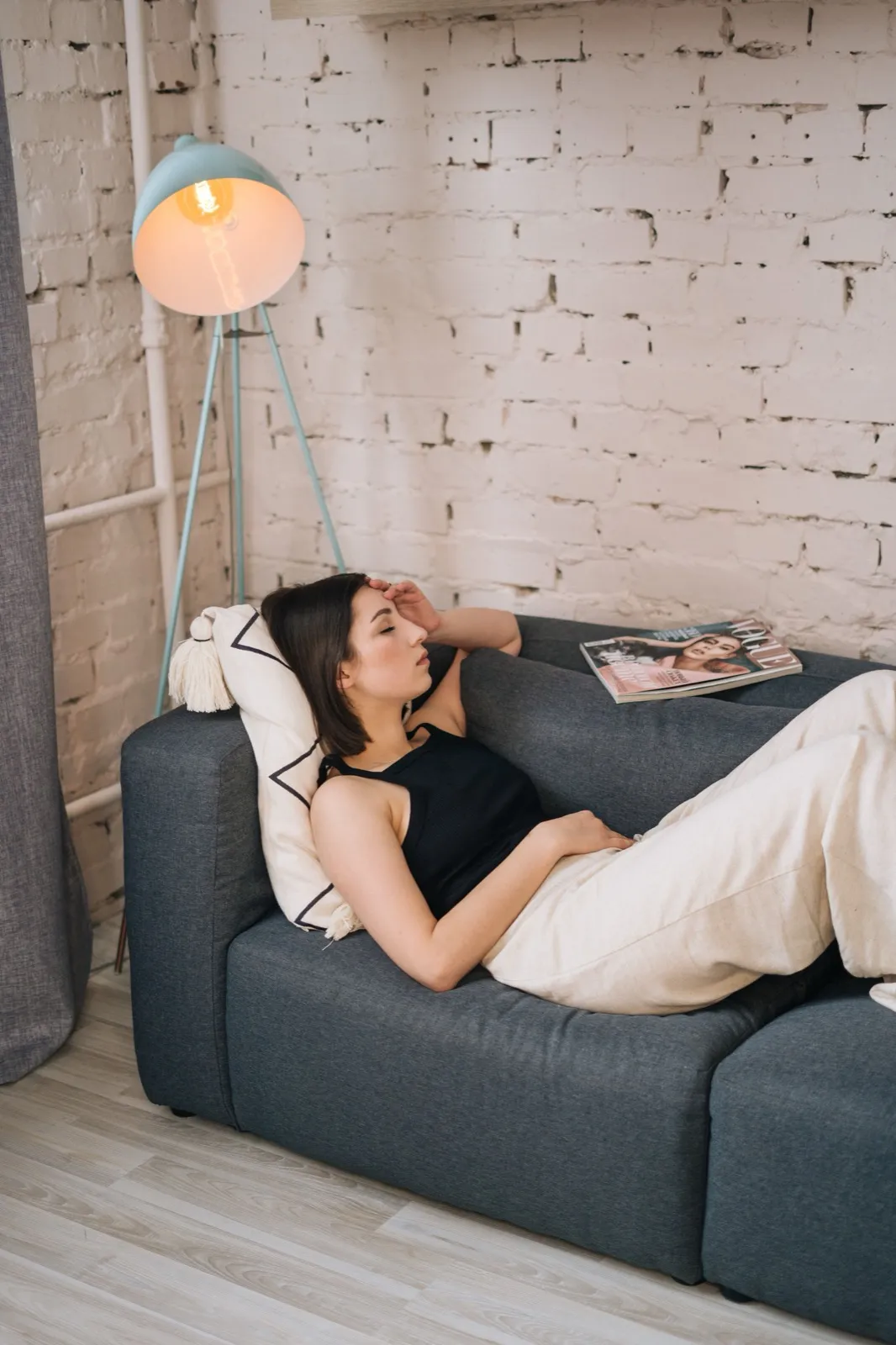
To the world, you are reliable, meticulous, and perhaps a bit of a perfectionist. But nobody sees the price tag. The moment you close your front door after a long day, the mask drops, and you collapse on the couch—completely drained, unable to muster the energy to even take off your makeup.
Shedding the Toxic Labels
How many times have you blamed yourself in the quiet hours of the night?
- "Why does everyday life seem so effortless for everyone else?"
- "Am I just fundamentally lazy and undisciplined?"
It is time to let those labels go. Lazy people enjoy doing nothing; you, on the other hand, are constantly stressed about the things you aren't doing.
Your brain isn't broken—it just runs on a different operating system. It thrives on creativity, deep empathy, and non-linear thinking, but struggles with rigid, repetitive routines. Acknowledging your ADHD isn't about making excuses; it’s about finally learning how to work with your brain instead of against it.
Download Sort AI App now: