
Understanding the INFJ Inner World: Common Challenges and Ways to Care for Yourself


INFJs are often emotionally attuned, sincere with others, and driven by strong ideals. They notice details others miss and pick up on subtle emotional shifts, but this depth can also mean getting lost in their own thoughts. When reality falls short of their ideals, relationships feel misunderstood, or effort goes unreturned, self-doubt can creep in—is something wrong with me? Today's piece explores how INFJs can make sense of that inner turbulence while still holding onto their capacity for self-restoration.
This refers to an inner experience, not a psychological condition.
Recently, "INFJ mental state" has become a popular online search. Here, the term doesn't mean a formal psychological assessment, but a way people describe the inner experiences INFJs have when facing personal challenges.
INFJs (Introverted, Intuitive, Feeling, Judging) are a relatively rare type, known for being reflective, emotionally sensitive, and idealistic. Because of this, stressful or emotionally heavy periods can create strong inner strain, sometimes leading them to question themselves.
- Feeling drained after social interactions, yet still unable to fully recharge
- Strong emotional ups and downs that appear unexpectedly, with no clear reason
- Setting ideals too high, then feeling like a failure when they're not met
Over time, INFJs may start to withdraw from larger social circles and keep their world small, choosing to spend time only with a few people who truly understand them.
4 Common Reasons INFJs Can Get Stuck in Inner Struggles

1. The Tension Between High Sensitivity and Strong Ideals
INFJs often combine a strong sensitivity to others' emotions with deep personal ideals about how the world should be. When these two traits collide, it can create intense inner tension. If reality falls far short of their ideals, they may feel powerless or off balance, start questioning the value of their efforts, and gradually doubt their own worth.
2. Deep inward reflection that can turn into overthinking
INFJs tend to turn problems inward, repeatedly asking themselves why they feel a certain way, why things don't work out, or why deep connection feels hard to reach. While this kind of reflection can build self-understanding, without a way to release or shift it, it may turn into cycles of self-blame and overanalysis. Over time, these unexpressed emotions can build into ongoing inner drain, leaving them feeling low in energy or more inclined to pull away from others.
3. A strong desire for connection, paired with instinctive self-protection
Although INFJs are considered introverted, their need for deep connection is strong. They want to be understood, seen, and emotionally met. When relationships bring misunderstanding, distance, or emotional mismatch, they often turn the blame inward and feel they aren't "enough." To avoid being hurt again, they may pull back and close themselves off. This push and pull—wanting closeness while also protecting themselves—is one of the core struggles INFJs face in relationships.
4. Feeling unsettled when the environment feels out of sync
INFJs tend to think deeply and carefully, and they're good at understanding people and situations from many angles. When the outside environment—especially at work—moves too fast or focuses heavily on performance, it can clash with their natural pace. If support is also lacking in family, partnerships, or close relationships, those unaddressed feelings of unease can build up over time and gradually weaken their sense of security.
5 Self-Care Practices Especially Helpful for INFJs

When these inner challenges build up over time, INFJs don't need to push harder—they benefit more from learning to treat themselves with greater gentleness and practicality.
1. Spend 5–10 minutes a day noticing yourself
Before bed, briefly note emotional shifts, recurring thoughts, and what triggered them. This isn't about judging mistakes, but about understanding your inner patterns. Over time, this awareness can help you stay steadier when emotions arise, instead of falling into constant self-blame.
2. Choose ideals that are imperfect but doable
Ideals are a strong inner driver for INFJs, but they can also create tension. You don't have to abandon them—just reshape them. Turn big visions into realistic actions, like having one meaningful conversation a week, writing regularly, or expressing appreciation. These are within reach and still aligned with your values.
3. Set clear ways to rest
Rest often gets pushed aside, especially when others' needs come first. When you notice rising sensitivity or low motivation, it's a sign to pause. Create simple rest rituals—logging off work messages in the evening, taking a walk after work, making a warm drink, or listening to a familiar song. The key is to stop on purpose and protect your energy.
4. Build a support system that understands you
Deep connection matters to INFJs. Look for people who are willing to listen and understand your inner world, not just offer solutions. This could be trusted friends, like-minded peers, or structured conversation spaces. Set a rhythm that feels safe, where you can regularly sort through thoughts and feelings.
5. When things stay difficult, consider outside support
If the sense of imbalance continues, seeking additional support can offer more grounding and perspective, so you don't have to handle everything on your own.
Through self-acceptance, INFJs can move from struggle into growth.
To INFJs: you often notice more and feel more deeply, which also means it's important to stay aware of emotional shifts and take care of your inner needs. Next time the thought "Is something wrong with me?" comes up, try asking instead, "What important need might I be missing right now?" Practice seeing yourself with understanding rather than judgment.
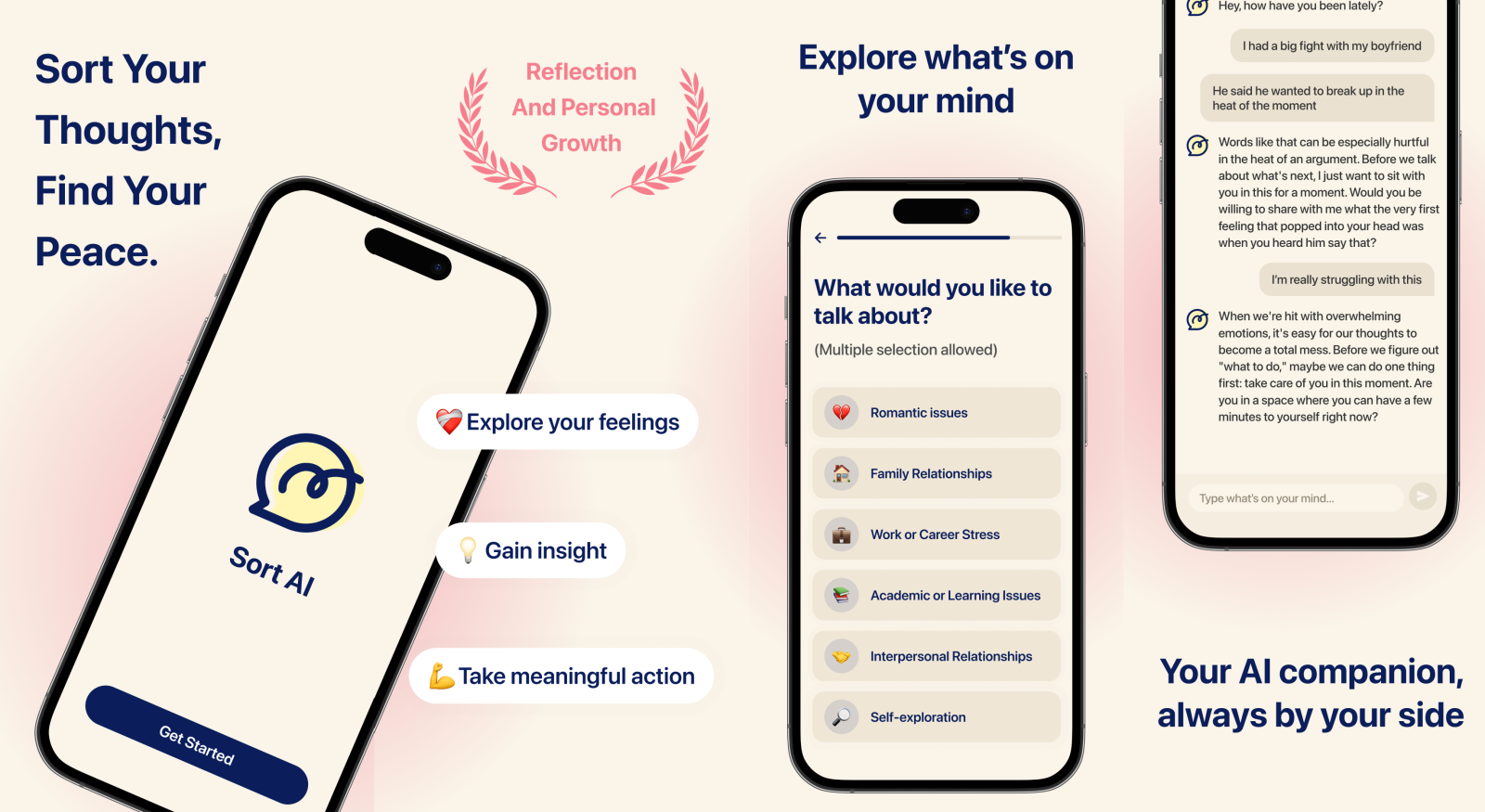
Sort AI may help in that process. Sort AI is a chat-based tool co-developed with psychology professionals, designed to give you a calm space to sort through your thoughts. It follows a three-step flow: Exploration → Insight → Action
First using open questions to explore what's on your mind, then helping you notice patterns in how you think and respond, and finally turning that clarity into simple, concrete steps you can apply in daily life. No appointments needed—you can start an anonymous conversation anytime, 24/7, and build steadier inner resilience one day at a time.
Download Sort AI App now: